







- Always install good antivirus software and anti-spyware on your computer, and then keep them up-to-date. Today, many families use multiple computers to access the Internet, and it is very important to maintain security on all of your family’s computers.
- Update your operating system and browser software regularly to further protect yourself. Using the latest version of your operating system and browser programs will also help your computers operate better and enhance your user experience.
- Only visit websites that you know and trust. If you accidentally land on an unknown website, do not click on any links or banners on the site.
- Always perform virus scans on all email attachments before executing them. This process will block spyware from secretly installing onto your computers.
- Do not respond to any email (or phishing email) that provides a link in its body requesting you to update your login details. Such links will most likely lead you to a fake login page where they will collect your login information, and then hack your real accounts later.
- Create (or reset) strong passwords to all of your online accounts. The password should be a blend of upper and lower case letters, symbols, and special characters. For example: T36n&Hg%52!v. Avoid using your name, your child or pet’s name, and avoid using the same password for all of your accounts. Most importantly, never share your password (email, bank, website account, etc.) with anyone for any reason and always logout of your account after you’re finished using it by hitting the Logout button instead of just exiting the browser window.
- Regularly clear the web browser cache on your computers to remove temporary files that are stored in the memory and hard disk.
- Avoid using public computers such as Internet cafes to access your email, bank accounts or any confidential information. These public computers might already be infected with spyware and malware.
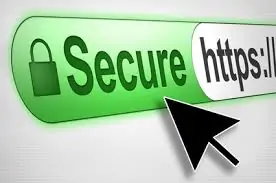
- Before buying anything on any webpage that requires you to enter confidential information like passwords or credit card numbers, make sure that you see https instead of http in your browser’s address bar. For example: https://accounts.google.com instead of http://accounts.google.com. The HTTPS protocol executes SSL (Secure Sockets Layer) which provides better security than a normal HTTP.
Following these 9 tips will help protect you, your family members, and people within your social networks from online scams and frauds. If you find this article helpful, please share it with your family members and friends to help them stay more secure.