







As AI begins to reshape browsing, so too is the digital landscape for small to mid-size businesses (SMBs). To go along with the tide, investing in brand strength is crucial for customer acquisition and sustainable growth.
Traditional SEO focused on keywords and rankings. Pivoting with AI, search engines now provide instant answers, reducing website clicks. For visibility, your brand must become an authoritative source this tool trusts to cite (or include your website/brand in its recommendations to the users).
AI search shifts focus from ranking to being a recognized answer provider. Google’s Search Generative Experience (SGE) offers instant, precise answers and clear overviews, eliminating website visits almost altogether. To acquire customers, one’s brand must be the primary source AI recommends. Today, visibility requires being deemed as a trusted entity in the field.
Brands are meant to encompass the total perception of your business, shaping customer behavior. For SMBs, strong branding builds recognition, trust, and differentiation, with search showcasing this differentiator. In this current content landscape, authentic human connection from brands becomes invaluable. With 81% of consumers requiring trust and 50% favoring recognition before purchase, SMBs excel at fostering genuine interactions vital for AI-valued trust.
This report below provides a strategic roadmap for SMBs to leverage brand strength in the AI search era, covering AI evaluation methods, branding’s impact on acquisition costs, and strategies for building AI-trusted brands.
Key Takeaways:
- Brand is the New SEO/GEO: AI search prioritizes brand trust and third-party validation over keywords.
- Earned Media Matters Most: Reviews and PR heavily influence AI recommendations.
- E-E-A-T is Essential: Demonstrate Experience, Expertise, Authoritativeness, and Trustworthiness.
- Consistency Builds Credibility: Unified brand identity signals reliability to AI.
- Beyond Clicks: Aim for AI to cite and recommend your brand directly.
- Lower CAC: Strong branding reduces customer acquisition costs through organic growth.
- Future-Proofing: Brand strength ensures resilience in evolving digital landscapes.
 Related article
12 Trust Signals Every Home Improvement Contractor Website Needs to Convert Visitors into Clients
Trust is the most valuable tool for any home improvement contractor. For years, the goal was to appear up on the first page of Google. Today, we have entered the age of AI search. People now ask tools like ChatGPT and Gemini for direct advice on who to hire. These programs not only rank websites […]
1. Understanding the New Search Frontier: AI-Powered Search Engines
To acquire customers in the digital age, businesses need to understand how these search engines operate and what signals they prioritize.
A. How AI Search Works: Instant Answers and the “No-Click” Phenomenon
Nowadays, search engines such as Google’s SGE provide instant, precise answers through generative AI, delivering quick overviews and often creating “no-click” experiences. SGE handles complex questions, offers concise summaries going deeper than the surface level to assist with tasks directly from queries using natural language processing and large language models.
The “no-click” phenomenon puts an emphasis on SEO to influence citations within AI overviews. Brand visibility means becoming the trusted source AI synthesizes from, rather than securing top rankings.
B. Google’s AI Overviews: What It Means for Your Business
AI Overviews complement existing search results while being able to impact ad placements and increasing competition for commercial queries. SMBs need a “two-engine” strategy: enhance traditional SEO (important for featured snippets) and appeal to AI’s specific trust signals. Doing so ensures comprehensive visibility within these competitive ad landscapes.
C. The Cornerstone: E-E-A-T
E-E-A-T represents Experience, Expertise, Authoritativeness, and Trustworthiness—factors Google uses to evaluate content quality, particularly for “Your Money or Your Life” topics.
- Experience: Firsthand knowledge makes content more credible
- Expertise: Demonstrable knowledge shown through credentials and case studies
- Authoritativeness: Overall authority strengthened by citations and backlinks
- Trustworthiness: The most critical element, focusing on reliability and accuracy
E-E-A-T links traditional SEO to AI’s preference for trusted sources. Every piece of content must actively build these qualities to be considered.
|
E-E-A-T Component |
Definition |
Why it Matters for AI Search |
How SMBs Can Demonstrate It |
|---|---|---|---|
| Experience | Firsthand knowledge | AI prioritizes real-world experience. | Share case studies and user content. |
| Expertise | Demonstrable skill | AI seeks knowledgeable sources. | Showcase certifications, detailed bios. |
| Authoritativeness | Recognized authority | AI values frequently cited entities. | Earn quality backlinks, media mentions. |
| Trustworthiness | Reliability, accuracy | AI relies on verifiable information. | Maintain accurate information, manage reviews. |
 Related article
Contractor Website vs. Lead Generation Platforms: Why HVAC Companies Should Own Their Online Presence
Most HVAC business owners feel like they are caught in a trap. To keep their trucks moving and phones ringing, they feel that industry leading middleman websites like Angi, HomeAdvisor, or Thumbtack have a chokehold on their leads, having to pay for work. It feels like paying rent to a landlord who keeps raising the […]
2. The Unbreakable Link: Branding and Customer Acquisition
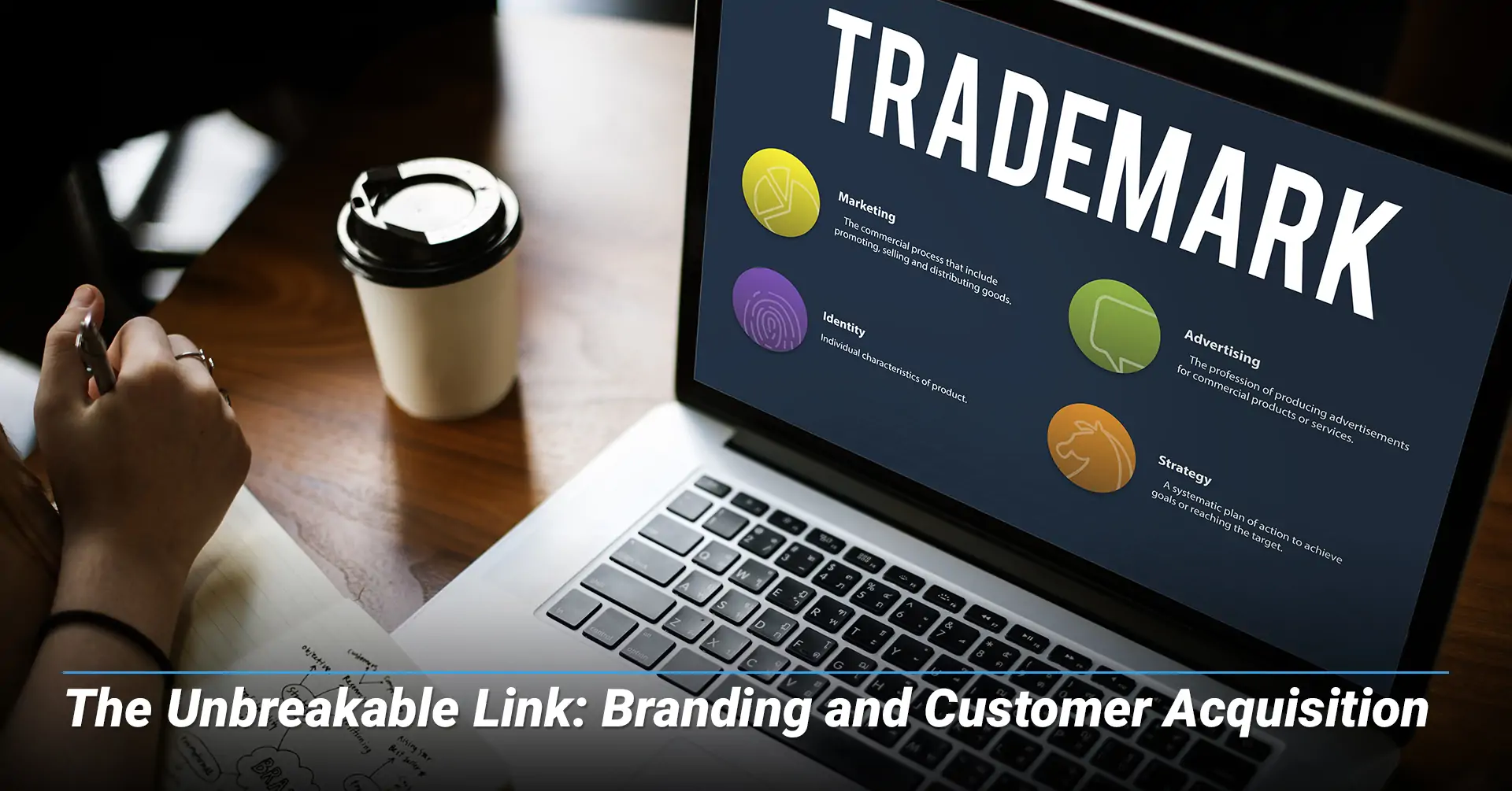
Strong branding directly influences customer acquisition and builds enduring relationships in the AI era.
A. What is a Brand, Really?
A brand is the collective perception of your business, built through consistent visual identity, messaging, and values. Success in these categories across touchpoints can increase revenue by 10%-20%. Well-defined brand identity provides AI systems with indicators about the business, making accurate citations more likely. Most organizations (85%) maintain brand guidelines, helping this tool process and validate brands as trust signals.
B. The True Cost of Customer Acquisition (CAC)
CAC calculates the total expenditure to acquire new customers. With this rising 60% in the past five years, it’s no wonder that e-commerce has increased by 40% from 2023 to 2025. Average CAC varies widely: e-commerce ranges from $21-$377, while B2B hovers anywhere from $86 to $1,143.
Rising CAC encourages SMBs to invest in branding. Strong brands acquire customers through referrals and organic search without heavy ad spend, cutting down on expenses.
|
Industry |
Average CAC |
Key Factors |
|---|---|---|
| E-commerce: | ||
| Fashion & Apparel | ~$66 | Competitive, visual, influencer-driven |
| Beauty & Personal Care | ~$61 | Loyal customers, strong organic interest |
| Consumer Electronics | ~$76 | Price-sensitive, extensive research |
| Food & Beverage | ~$53 | Subscription models, repeat purchases |
| B2B (General): | ~$536 | Varies widely by sub-industry |
| B2B SaaS | ~$239 | Strong SEO and content marketing |
| Education | ~$1,143 | Highest CAC, needs thought leadership |
C. How Strong Branding Lowers Acquisition Costs
Strong brands significantly reduce CAC through fostering trust and recognition. Consumers are 50% more likely to buy from recognized brands, and 81% require trust before making a purchase. Brand equity is a key player in acquisition and retention, well-known brands with engaged communities acquire customers organically at minimal cost.
Investing in brand equity creates a cycle where trust drives organic growth, making marketing more effective and reducing overall CAC.
| Statistic | Key Finding | Implication for SMBs |
|---|---|---|
| Trust | 81% need trust to buy | Prioritize transparency and clear communication. |
| Recognition | 50% more likely to buy known brands | Focus on consistent visual identity. |
| Consistency | 10-20% revenue increase | Develop clear brand guidelines. |
| Loyalty | 65% of business comes from loyal customers | Focus on retention strategies. |
D. Beyond Acquisition: Customer Loyalty and Lifetime Value
Retention requires using fewer resources than acquisition. Loyal customers spend 67% more per purchase, and a 5% loyalty increase can boost profits anywhere from 25% to 95%. Brand-loyal consumers generate 2.5 times more revenue than new ones. By developing loyalty, SMBs improve client lifetime value, making initial CAC a necessary investment and business models sustainable.
 Related article
How a Website Builds Trust + Credibility for Remodeling and Renovation Contractors
A homeowner shortlists three kitchen remodeling contractors. All three come recommended by neighbors. Each holds a sound reputation in the community built over years of good work. She searches each one on her phone. The first has no website. Option #2 has a site that loads in five seconds and only shows stock photos. The […]
3. Building a Brand That AI Trusts: Generative Engine Optimization (GEO)
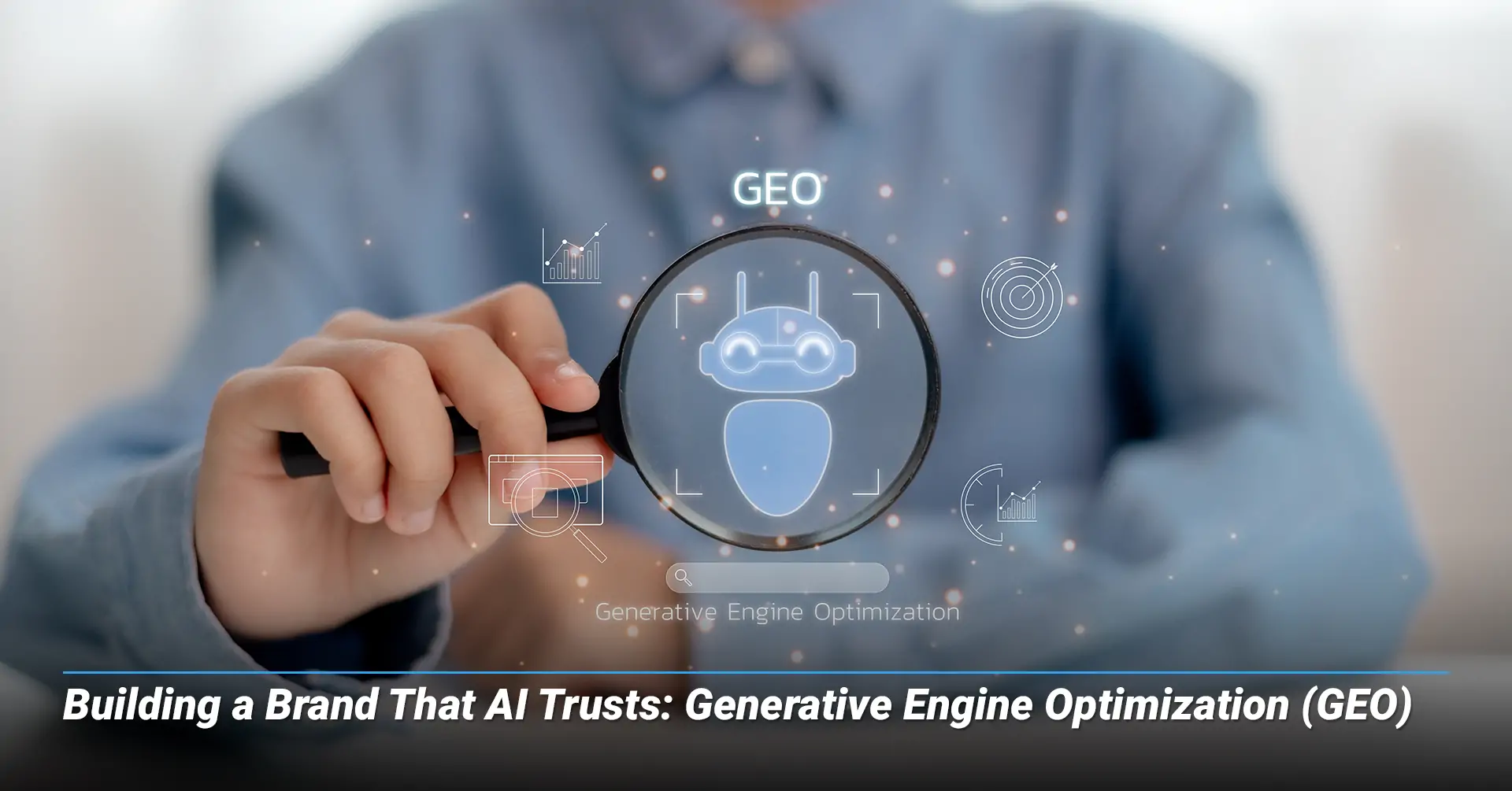
Brand visibility depends on what these search engines consider to be an authority in the field and trustworthy. This section outlines strategies for building AI-trusted brands.
A. The AI’s New Language: Brand Mentions and Third-Party Validation
AI prioritizes brand mentions from trusted sources above traditional SEO metrics. Systems favor third-party commentary over promoting oneself, acting as reputation validators by sourcing content from news outlets, expert interviews, and community platforms. This shifts focus from owned to earned media as a premier visibility driver. SMBs need to have positive external reviews to be trusted by AI.
B. Optimizing Your Digital Footprint
Google Business Profile: The Local AI Anchor
Manage your GBP as an active campaign. List all service categories and keep online activity current by regularly uploading photos and posting. For local SMBs, an optimized GBP is arguably the most important AI visibility asset.
+ Online Reviews: Volume, Velocity, and Sentiment: AI scrutinizes reviews across platforms and takes a holistic look. That means a 4.3-star average from thousands of reviews holds more weight than perfect ratings from a few. Proactively encourage reviews and respond professionally to all feedback. Reviews provide verifiable social proof that AI prioritizes.
+ Digital PR and Earned Media: Generate brand mentions through media sourcing platforms (HARO, Qwoted), publish strong viewpoints, and conduct targeted outreach. Digital PR is now the core strategy for AI visibility, building an authoritative footprint that AI engines reference.
+ Niche Directories and Partner Networks: Build presence through local directories, chambers of commerce, and partner networks with complementary businesses. Doing so creates a strong relationship along with a broader web of trust signals for AI, particularly effective for SMBs with limited PR budgets.
| Tactic | Why it Boosts AI Mentions | SMB Action Steps |
|---|---|---|
| Local SEO | AI pulls verified local data. | Optimize GBP fully, post updates regularly. |
| Review Sites | AI checks sentiment across platforms. | Solicit reviews, respond promptly. |
| Partner Networks | Independent validation. | Build complementary partnerships. |
| Digital PR | Earned media priority. | Use HARO, publish thought leadership. |
C. Content for the AI Era
+ Schema Markup — Speaking Directly to AI: Structured data provides a standardized vocabulary AI understands. Key Schema types include Organization, Product, Service, FAQ Page, and Review. This makes content machine-readable for confident AI citation.
+ E-E-A-T Driven Content: Create well-organized, accurate content with clear headings, strategic lists, and concise language. Remember to include citations, author attributions, and real-world data. Here, the goal should be to write for intent and demonstrate expertise through deep, original insights, as LLMs cannot generate independently.
 Related article
The Contractor’s Website Checklist: 15 Features That Turn Visitors into Paying Customers
A contractor’s website is no longer a digital brochure. This year, it’s the most influential salesperson in the business. 84% of homeowners leverage Google and AI answer engines to research a contractor before making contact. 58.5% of searches now end without a click because AI provides answers directly on the results page. When the user […]
4. Practical Strategies for SMBs: Actionable Steps
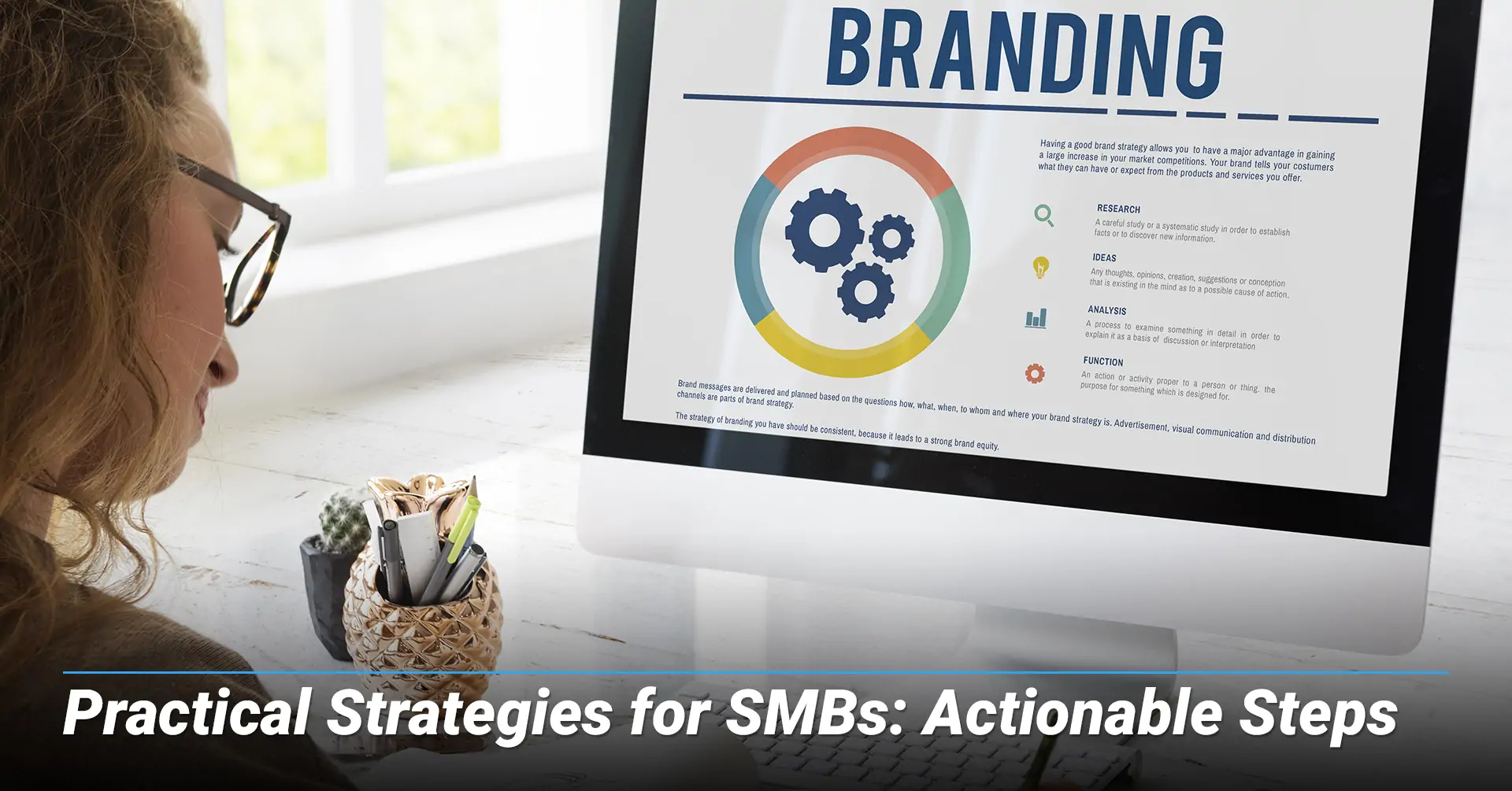
A. Developing Core Brand Identity
Define your Unique Selling Proposition and craft a compelling brand story. Create memorable visual identity — a signature color increases recognition by 80%. Develop a consistent brand voice across channels. Establish clear guidelines to maintain consistency to help AI understand and categorize your business accurately.
B. Cost-Effective Branding Initiatives
- Social Media: Excel in one area, inject personality, build community
- Competitions: Increase awareness through low-cost giveaways
- Offline Visibility: Professional cards, print ads, event branding
- Referral Programs: Encourage word-of-mouth recommendations
- Networking: Attend events, host client meetups
- Industry Awards: Participate in competitions for profile raising
These strategies generate social proof and earned media that are deemed appealing to AI values.
C. Building Professional Online Presence
+ Website — Foundation of Trust: A professional, mobile-friendly website remains essential for credibility. It’s where AI validates E-E-A-T and customers complete purchases after AI-assisted discovery.
+ Social Media — Community Building: 77% of consumers prefer shopping with brands they are following. Use social listening, respond to comments, and share customer stories.
+ Customer Service and Reputation Management: Outstanding service drives positive reviews. Monitor and manage feedback diligently. Every interaction becomes an AI data point affecting trustworthiness scores.
+ Measuring Impact and AI Visibility: Track brand awareness through surveys, Google Trends, and social media following. Monitor brand mentions, presence in AI responses, and branded search volume. Shift KPI focus beyond traditional rankings to metrics reflecting recognition and third-party validation.
Conclusion: Future-Proofing Through Brand Strength
AI search presents opportunities for SMBs willing to leverage their brand. Doing so requires prioritizing authenticity, building trust, and cultivating a strong digital reputation to acquire customers efficiently and build resilient businesses.
Success means treating every piece of content as a signal and every signal as an opportunity to be cited, trusted, and chosen. This brand-first mindset prioritizes long-term sustainable success over short-term growth. The AI era compels SMBs to shift from transactional marketing to strategic brand building, constructing fundamentally sound businesses that naturally attract and retain customers regardless of technological shifts.
 Related article
The Minnesota Small Business Website Checklist for 2026 (SEO + Conversions + Accessibility)
The digital landscape of this year for small businesses in Minnesota is more competitive and regulated than ever before. With state GDP growth currently at 1.6 percent (ranking 40th in the nation) and the highest corporate tax rate in the country at 9.8 percent, Minnesota business owners must ensure their digital presence is an efficient […]
FAQs about Brand Marketing
1. How quickly can SMBs see ROI from branding?
Some businesses see returns within as little as 12 months. With examples throughout various industries, one food service reported a 73% revenue increase, while beauty saw 24% revenue growth and 30% new client acquisition. Track through brand awareness, reputation, and conversions.
2. What challenges do SMBs face with AI search?
Varying results between traditional and AI search require dual strategies. “AI invisibility” leads to unoptimized brands, which is a giant revenue killer. Geographic and language limitations may affect some businesses.
3. How does AI search impact local businesses?
AI pulls from Google Business Profiles for local queries. Content must serve both research queries (“Best Italian Downtown”) and action queries (booking integrations). Local directory presence is vital.
4. Does traditional SEO still matter?
Yes. Good GEO is good SEO. Featured snippets trigger AI Overviews. SEO fundamentals power both traditional rankings and AI citations.
5. How can I track AI visibility?
Monitor branded search volume, direct traffic, and AI summary mentions. Test AI tools directly with brand searches to understand current performance. Track sentiment in AI responses.
6. Why are loyalty programs significant?
They foster repeat business and increase lifetime value. Loyal customers spend 67% more. Programs contribute to social proof AI prioritizes. Seventy five percent of consumers would switch for better rewards.
7. Why is mobile-friendliness crucial?
Professional, mobile-friendly websites remain central for reliable information and conversions. AI values well-maintained sites as signals of trustworthiness. Poor mobile experience negatively impacts credibility.